Slicker Brush Pain for Dogs: What’s Normal vs Too Much
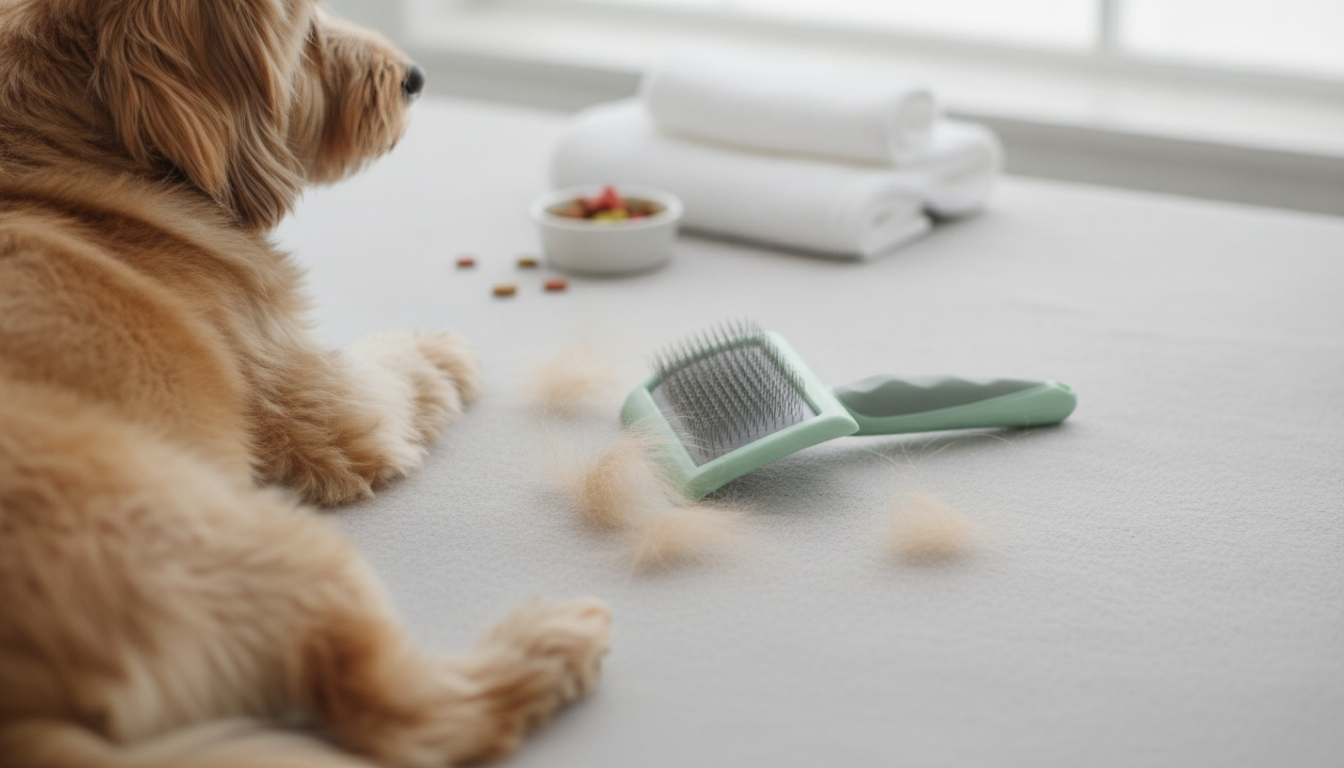
Is a slicker brush painful for dogs?
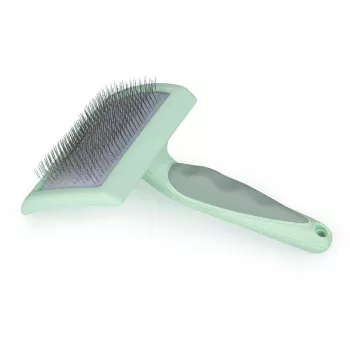
A slicker brush doesn’t have to be painful for dogs, but it can hurt if it’s used too hard, on sensitive areas, or on tangled coat without proper prep. Slicker brushes have fine, angled pins designed to lift loose hair and break up light mats. When those pins scrape the skin or snag tight knots, dogs may flinch, pull away, or become brush-shy.
When a slicker brush can hurt
Pain usually comes from technique, not the tool itself. Common culprits include pressing down like you’re “scrubbing,” brushing the same spot repeatedly, or raking through mats. Thin-skinned areas—like the belly, armpits, groin, and behind the ears—are especially easy to irritate. Dogs with skin allergies, hotspots, or very short coats can also feel discomfort faster.
How to make a slicker brush comfortable
Use a light touch and short strokes, letting the pins glide through the top layer of coat rather than digging toward the skin. Work in small sections and brush in the direction of hair growth. For tangles, start by gently teasing them out with your fingers or a comb, then use the slicker to finish. If you hit resistance, stop and reassess instead of powering through.
Signs you should change your approach
If your dog yelps, tries to bite the brush, freezes, pants, or keeps looking back at the spot you’re brushing, something is uncomfortable. Check for redness, dandruffy flakes, or broken hair. Switching to a softer slicker, using a detangling spray, or shortening sessions can make a big difference.
For a deeper look at choosing the right brush and using it safely, visit the main guide on slicker brushes and dog comfort.
For Slicker Brush Pain for Dogs: What’s Normal vs Too Much, the best answer depends on fit, material, care instructions, and how the product will be used day to day.
FAQ
How often should you brush a dog with a slicker brush?
Most dogs do well with 2–4 brushing sessions per week, while long-haired or curly coats may need daily brushing to prevent tangles. The right frequency depends on shedding, coat type, and how easily the coat mats.









Leave a comment