What It Means If You Like Cats: Traits & Personality
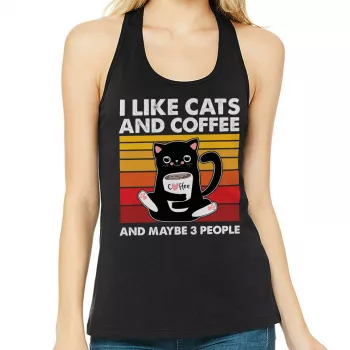
What does it mean if I like cats?
Liking cats often points to an appreciation for calm companionship, subtle communication, and relationships that grow through trust. Many cat lovers are drawn to how cats can be affectionate without being demanding, and how each cat’s personality can feel distinct—curious, cautious, playful, or quietly observant.
What your preference for cats can say about you
You value independence (yours and theirs)
Cats tend to set boundaries and choose when to engage. Enjoying that dynamic can reflect comfort with personal space, self-direction, and letting others “be themselves” without constant interaction.
You notice small cues and patterns
Cat communication is often subtle: ear positions, tail movement, slow blinks, and quiet body language. Being a cat person can align with paying attention to nuance and reading the room.
You like low-pressure affection
Many cats show love in understated ways—sitting nearby, following from room to room, or curling up when they feel safe. If that style resonates, it may mean you prefer affection that isn’t overly performative.
Is liking cats connected to personality?
There’s no single “cat person” personality type, but common themes include patience, curiosity, and respect for boundaries. Some people also enjoy the sense of mutual choice—cats often feel like companions rather than pets that automatically comply.
Can it mean you’re an introvert?
Not necessarily. Plenty of extroverts love cats. Still, cats can be especially appealing to people who recharge in quieter environments or prefer one-on-one connection over constant stimulation.
Want a deeper breakdown?
For more detail on cat-lover traits, emotional benefits, and what your preference might reflect, visit What does it mean if I like cats?.
For What It Means If You Like Cats: Traits & Personality, the best answer depends on fit, material, care instructions, and how the product will be used day to day.
FAQ
Why do cats slow blink at you?
Slow blinking is often a sign of comfort and trust. Many people interpret it as a gentle “I feel safe with you” signal, and returning a slow blink can help reinforce calm bonding.










Leave a comment